Here's how to take a hair sample from your horse for testing
In the PHG lab we start your testing by extracting DNA from the sample you send us. The high-quality DNA we need is only present in the roots of hairs, and not in the hair shaft, so we need you to send us hairs that definitely have roots attached. You can't just cut some hair and send it.
Mane is often the easiest to collect, but if your horse has no mane or a very fine fluffy mane then you may need to collect tail hair instead. Collecting hair is a two-handed job and not easy for arthritic hands. You may need to recruit a helper.
Carrying out the dastardly deed
Firstly, plan ahead and take something with you to put the sample in, ideally a paper envelope. We recommend labelling it ahead of time with the horse's name and putting it in your pocket out of the way. If you will be handling other horses you should also take baby wipes or disinfectant wipes so you can give your hands a quick wipe to clean them before taking each sample. Aim to remove most of the dust and skin dirt from your hands, but they don't have to be perfect.
Secondly, identify a clean, dry section of mane or tail hair to take your sample. When we say "clean" we don't mean freshly washed, we just mean hair that is not covered with mud or other foreign material. The underside of the mane is usually good.
If you are taking a sample from the tail, take it the side of the dock where the hairs are shorter. Shorter hairs won't tangle and are easier to fit in an envelope.
If you can, brush the hair a bit before you pull out a sample. This will make it easier to untangle the hairs from others around them.
Lastly, the pull. If you are taking a sample from the tail, select a pinch of hair from the side of the dock - that's the tail bone. If you're taking sample from the mane, gather a pinch of hair from under the mane. Check our photos so you know how much to aim for (further down if you're reading this on your device, otherwise in the side bar). Hold the hair about an inch from the skin, and wrap it around a finger so you have a very firm grip. Use your other hand to hold the tail bone (for tails) or neck (for manes) still and help keep the skin tight, and quickly and firmly pull the hair up and out.
Some horses won't even notice what you've done. Others take offence, so make safety your priority and make sure that both you and your helper are out of range and can't be booted.
Put the hair sample straight in the envelope. At this point if your horse is forgiving you may be able to give them a scratch and thank them for their contribution to science.
Our postal address:
PHG
40 Boronia St
Redfern NSW 2016
AUSTRALIA
We will let you know by email when your sample has arrived. That email will also let you know the expected turnaround time for your testing.
Something went wrong?
If you couldn't get close enough or you dropped the hair, you'll need to wait until you can try again.
If you think there may not be hair roots attached to your hair, wait to check it in a quiet and clean place. You can text through a photo for our expert opinion if you want: 0410 492 005. We also recommend a using black background like the black screen of your device to check for roots on white or creamy hair.
If you took a very small sample we might be able to do some of the tests you want, even if we can't do them all. You can text through a photo and we will let you know if we think it could work.
We won't necessarily be able to provide immediate feedback for your photos but we will get back to you as soon as we can.
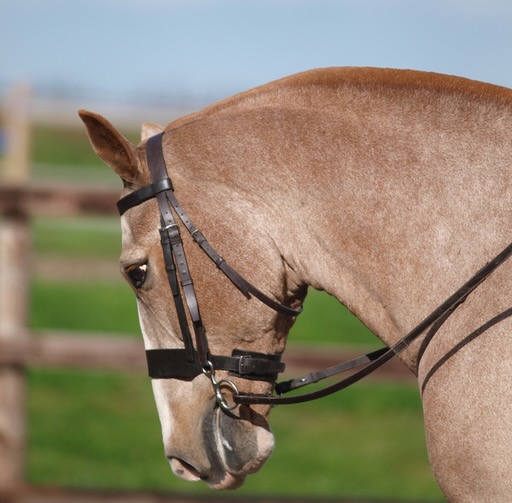
If you can't take a good sample from your horse's mane take it from their tail instead.
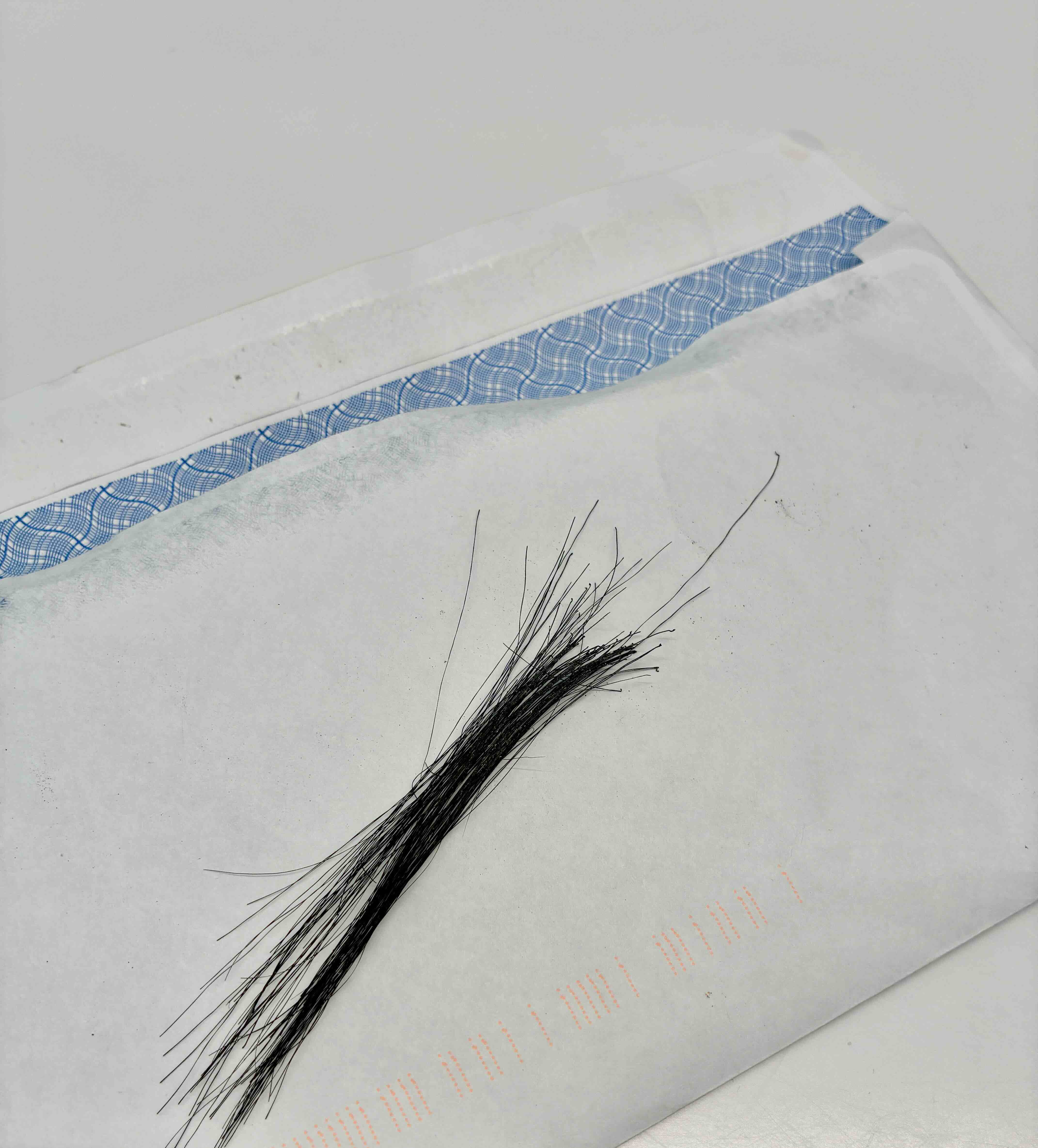
A hair sample this large is sufficient for up to around 25 tests. The white background here helps show that there are roots (the soft blobby ends) on quite a few hairs.
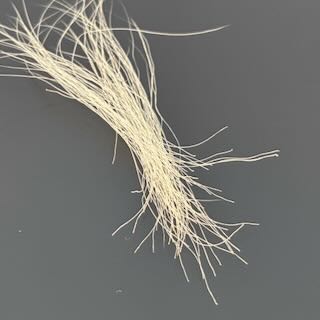
Using a black background can make it much easier to see whether there are roots on white or cream hair samples. This sample is still big enough for us to run a wide range of tests.